Where Is Artemis 2 Now: Tracking Humanity's Return to the Moon
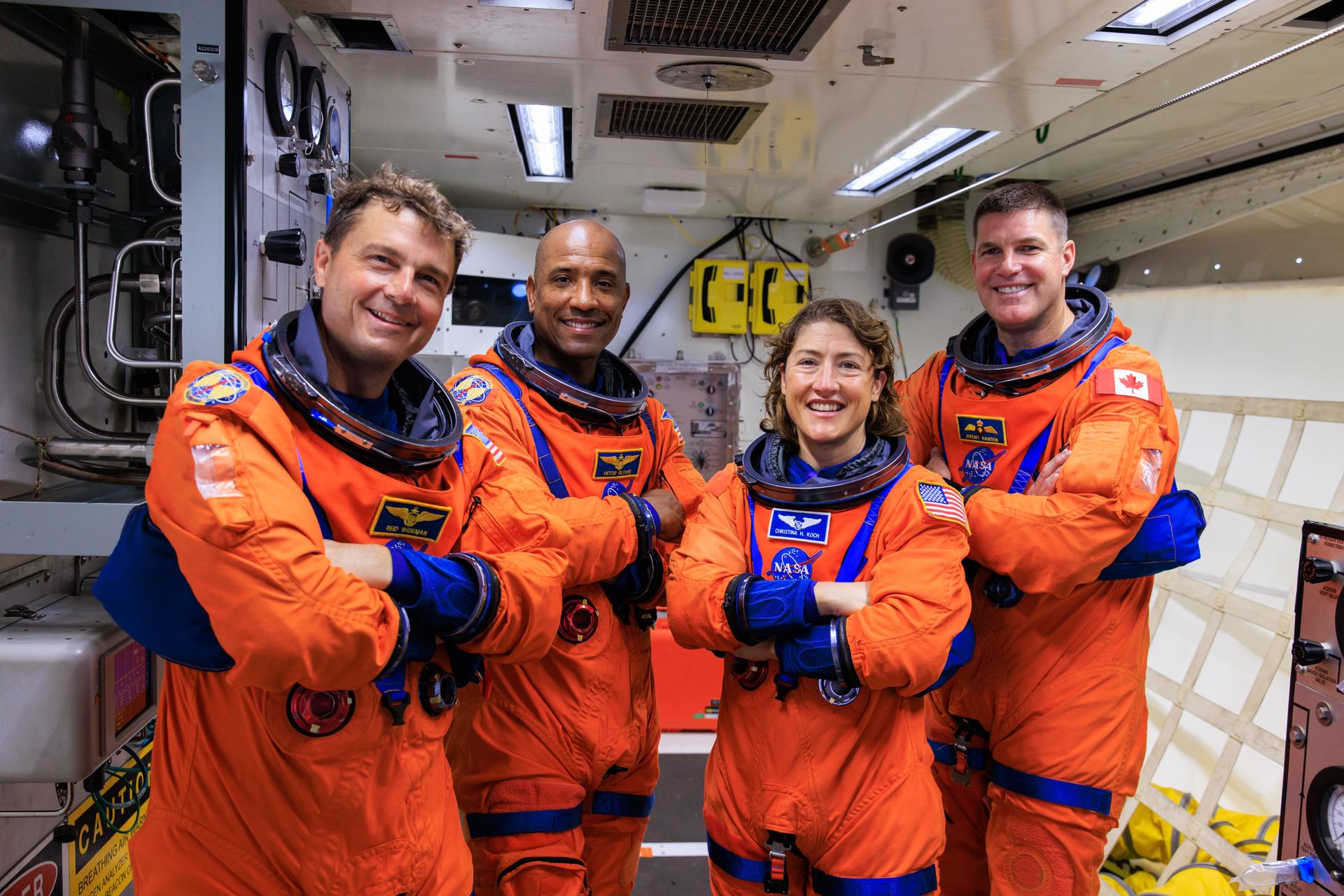
As the world watches with bated breath, NASA's Artemis II mission continues its epic journey, marking humanity's audacious return to lunar orbit after a five-decade hiatus. This trailblazing mission, a critical precursor to future Moon landings, has captivated millions, all eager to know: where is Artemis 2 now in its historic voyage?
The Orion spacecraft, carrying its four-person crew, is currently en route back to Earth, having successfully completed its lunar flyby. This phase of the mission is not merely a return trip; it's a meticulously choreographed ballet of orbital mechanics, deep-space operations, and invaluable data collection, all paving the way for a sustained human presence on the Moon and beyond. For a comprehensive look at the mission's initial stages, you might refer to Where Is Artemis 2 Now - Article 1, which covers the crucial launch and early orbital maneuvers.
The Current Trajectory: Artemis II's Journey Home
As of the morning of Wednesday, April 8th, the Orion spacecraft, with the Artemis II astronauts aboard, was approximately 209,100 miles (336,515 kilometers) from Earth. This significant distance underscores the magnitude of their journey, venturing farther from our home planet than any human in history.
The Moon, which the crew so recently circumnavigated, now lay approximately 74,000 miles (119,091 kilometers) behind them. This perspective shift, from approaching the Moon to leaving it in their wake, highlights the mission's progression from lunar rendezvous to Earth-bound return. The spacecraft is leveraging Earth's immense gravitational pull, employing a "slingshot" maneuver that will naturally accelerate Orion as it heads towards its ultimate destination: a controlled splashdown.
The journey back is a carefully managed process. On April 7th, Orion's service module, the vital component housing propulsion and life support systems, fired its auxiliary thrusters for roughly 15 seconds. This precise burn was critical to fine-tune the spacecraft's velocity and trajectory, ensuring it remains on course for its re-entry corridor. Such mid-course corrections are a testament to the real-time adjustments required for deep-space navigation, ensuring the crew's safe return.
For more details on the operational specifics and the incredible technology making this possible, don't miss Where Is Artemis 2 Now - Article 2.
A Historic Week: From Lunar Far Side to Earth-Bound Return
The past week has been nothing short of monumental for the Artemis II crew and the thousands of individuals supporting them from Earth. The mission, which began with its spectacular launch from Cape Canaveral, Florida, on April 1st, has already etched several new records into the annals of space exploration.
- April 1st: Launch and Trans-Lunar Injection. The powerful Space Launch System (SLS) rocket successfully propelled the Orion spacecraft and its crew into orbit, setting them on an intercept course with the Moon.
- April 6th: Lunar Flyby and Far Side Views. A pivotal moment occurred when Orion swung around the Moon, bringing the crew within a breathtaking 4,067 miles (6,545 kilometers) of the lunar surface. During this pass, they were treated to unparalleled views of the Moon's enigmatic far side – sights no human eye had ever witnessed directly before. This provided invaluable data and stunning imagery, reinforcing the human element of exploration.
- April 7th: Rest and Reflection. Following the high-intensity lunar flyby, the astronauts were given a much-deserved day off. However, this didn't stop NASA from releasing a massive "photo dump" of the incredible images captured by the crew, offering the public a glimpse into their extraordinary experience. The service module's thruster burn also occurred on this day, initiating the true return trajectory. The astronauts also conducted a detailed mission briefing with ground officials, relaying their observations and experiences.
- April 8th: Objectives for Return. With the Moon behind them, the crew has a full schedule of objectives to complete. These include further spacecraft systems checks, navigational updates, and preparations for the demanding re-entry process. Every hour of the return journey is crucial for gathering data, testing procedures, and ensuring the mission's safe conclusion.
Tracking Artemis II in Real-Time: Your Window to Space
For anyone asking, "where is Artemis 2 now?" NASA has provided an incredible, user-friendly tool to follow along in real-time: the Artemis Real-time Orbit Website (AROW). This official tracker offers a dynamic, data-rich visualization of the Orion spacecraft's position, distance, and velocity.
How to Use the AROW Tracker:
- Access the Website: Simply navigate to NASA's official Artemis Real-time Orbit Website (a quick search for "NASA Artemis II tracker" will lead you there).
- Explore the Data: The tracker displays key metrics like Orion's distance from Earth and the Moon, its speed, mission elapsed time, and even the current phase of the mission.
- Interactive View: The desktop version provides a detailed 3D visualization, allowing you to rotate the view, zoom in and out, and see Earth, the Moon, and Orion in relation to each other.
- Augmented Reality (AR) Feature: For smartphone users, the mobile version of AROW offers an innovative augmented reality experience. By enabling AR, you can hold up your phone and see Orion's position relative to your real-world surroundings – a truly immersive way to connect with the mission.
The AROW system relies on real-time data transmitted directly from sensors on the Orion spacecraft to the Mission Control Center at NASA’s Johnson Space Center in Houston. This information is continuously updated, providing a constant stream of information from approximately one minute after liftoff until Orion begins its re-entry into Earth's atmosphere.
This commitment to transparency and public engagement allows enthusiasts, educators, and aspiring astronauts alike to participate in this historic mission, making the vastness of space feel a little closer to home.
The Road Ahead: Splashdown and Future Aspirations
The Artemis II astronauts are currently in the middle of a four-day journey back to Earth. Their highly anticipated return is scheduled for Friday, April 10th, with the Orion capsule slated for re-entry into Earth's atmosphere. The precise splashdown location and time will be confirmed as the mission progresses and as trajectory corrections are finalized, but it will involve a controlled descent and splashdown in the ocean, where recovery teams will be standing by.
This mission, while uncrewed for landing on the Moon, serves a critical purpose: to thoroughly test all systems of the Orion spacecraft with humans aboard, proving its capabilities for deep-space travel and ensuring the safety of future lunar missions. The invaluable data collected on thermal protection, life support, communications, and human performance will directly inform the next phases of the Artemis program.
Looking ahead, the success of Artemis II directly paves the way for Artemis III, which aims to land humans on the lunar south pole as early as 2028. This will be the first time humans have walked on the Moon since 1972 and will include the first woman and person of color to set foot on the lunar surface. Beyond Artemis III, NASA envisions a sustained human presence on the Moon through the Gateway lunar orbital outpost, ultimately using the Moon as a proving ground for future missions to Mars. Artemis II is not just a mission; it's a testament to human ingenuity and our enduring drive to explore the cosmos.
Conclusion
The question of "where is Artemis 2 now" finds its answer in a dynamic, ongoing saga of exploration and return. From its incredible lunar flyby to its current trajectory back to Earth, the mission represents a profound leap forward in human spaceflight. As the Orion spacecraft journeys homeward, every mile covered and every piece of data gathered brings us closer to a future where humanity lives and works sustainably beyond Earth. The world eagerly awaits the safe return of its brave crew, celebrating a milestone that reignites our collective dreams of venturing further into the final frontier.